Barrel Barrel
  • Home
  • Services
    • Sensor installation
  • About us
    • Team Structure
    • Process
    • Estimation
    • Quality assurance
    • Acceptance criteria
  • FAQ's
  • Contact us
    • E-mail
    • Phone
    • Post

Annotations

Services > Annotations

services

How annotation works?

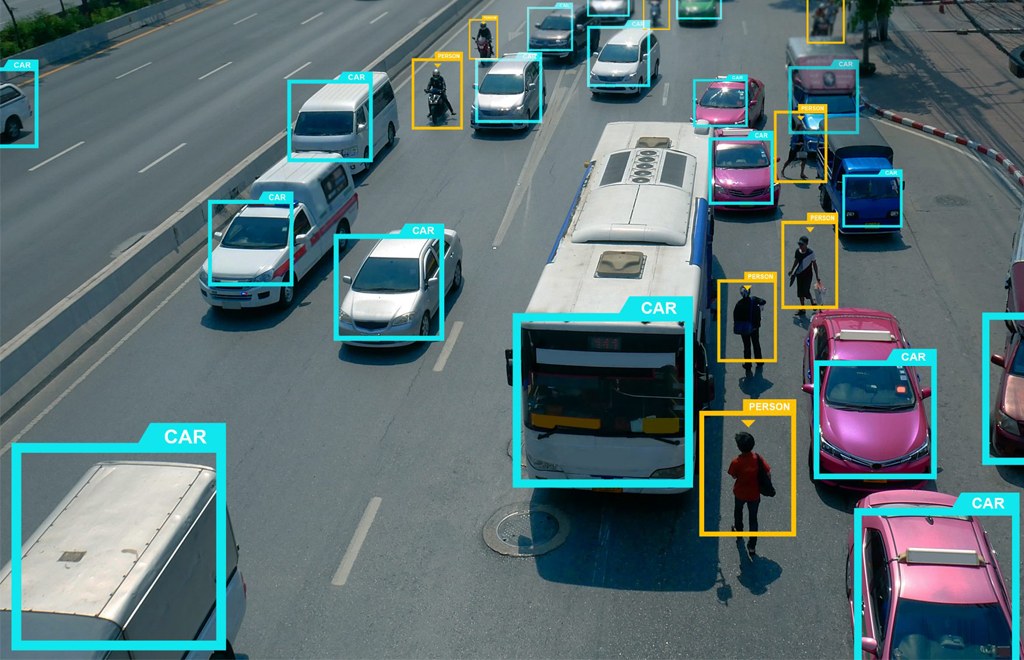
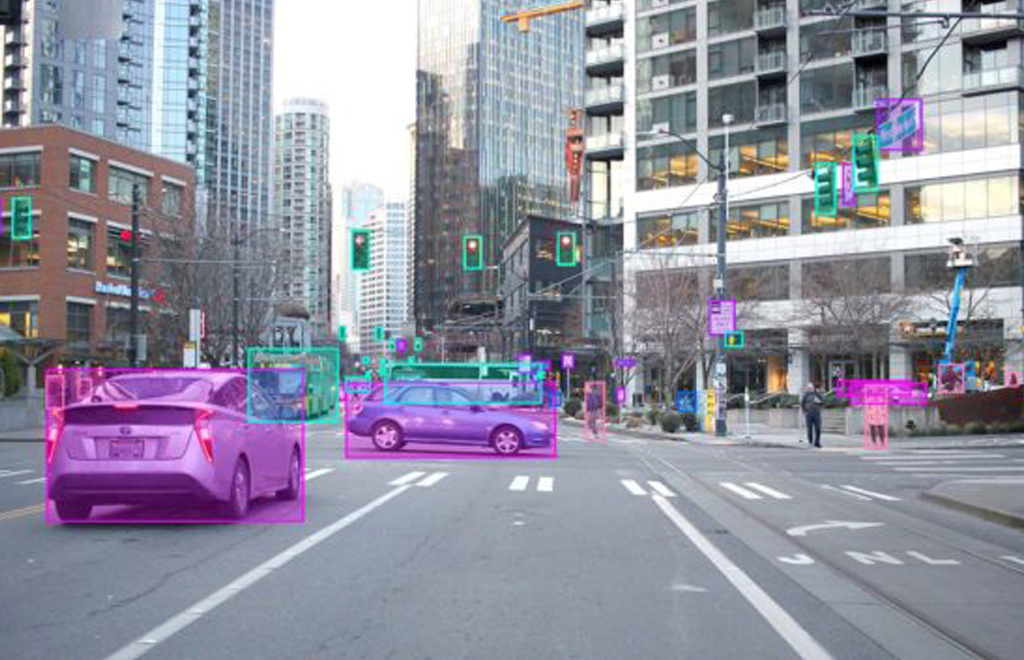
Annotation is the process of tagging or classifying objects in each frame captured by an AV. This data then needs to be curated so that it is understood by the deep learning model, and relevant objects need to be identified and tagged or labeled.
Design & Developing
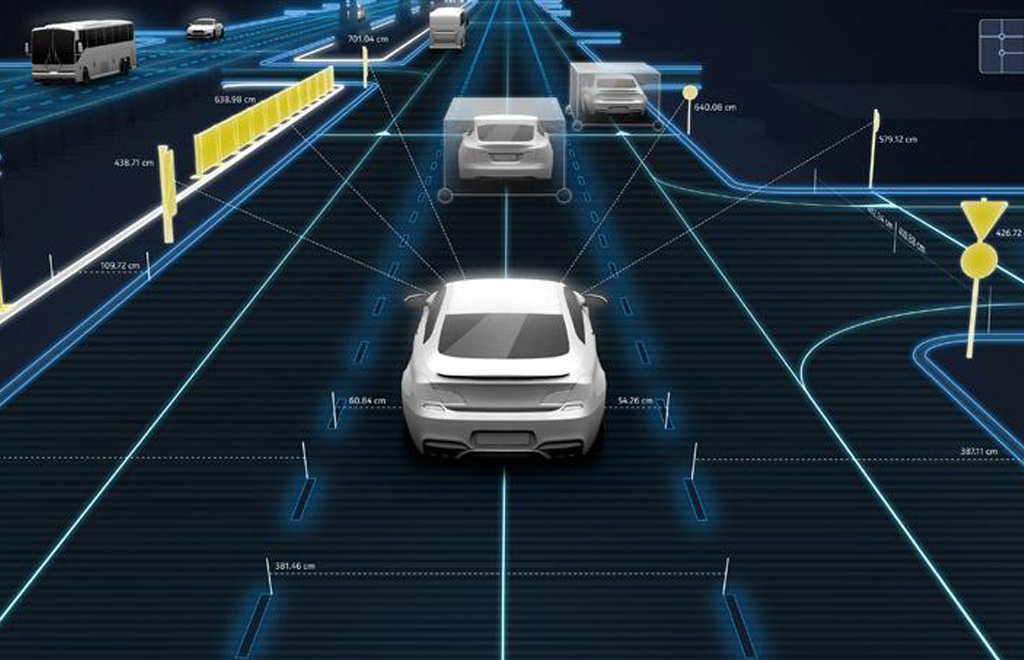
Object detection and localization
Annotate objects in urban and street environments that are relevant to the autonomous vehicles.
Ecommerce
Object Tracking and Scene Understanding
Object Tracking and Scene Understanding Build huge volumes of road scenes that enables you to train and detect moving object detection or autonomous driving.
Quality Assurance
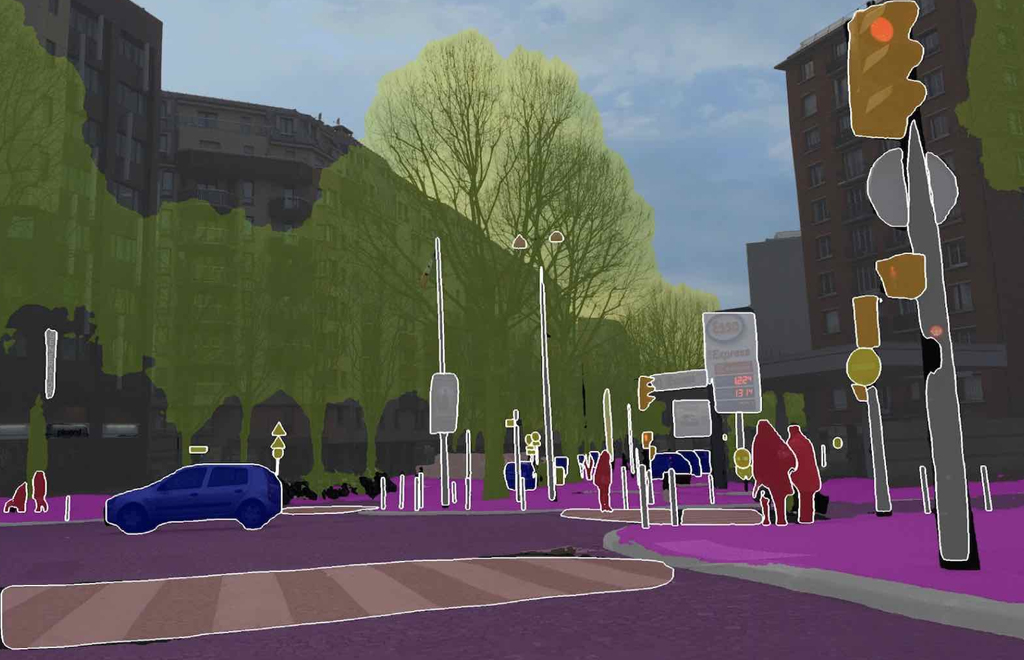
Full pixel segmentation for street scenes
Each pixel assigned to the class of your selected objects will be annotated. It is therefore the closest to a true representation of reality in 2D space, regarding class assignments.
Quality Assurance
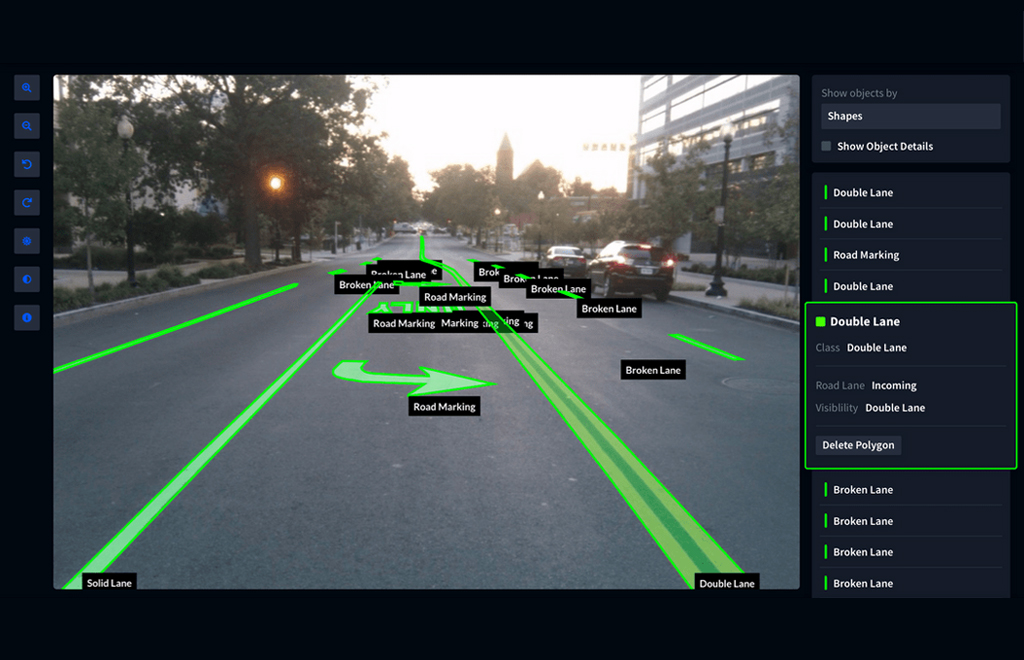
Mapping for Autonomous Driving and Driver Assistance
High definition maps are built around three key objectives: navigation assistant, driver assistance, and automated driving These maps have sufficiently precise road information to help self-driving cars identity the road sign with a centimeter accuracy
Quality Assurance
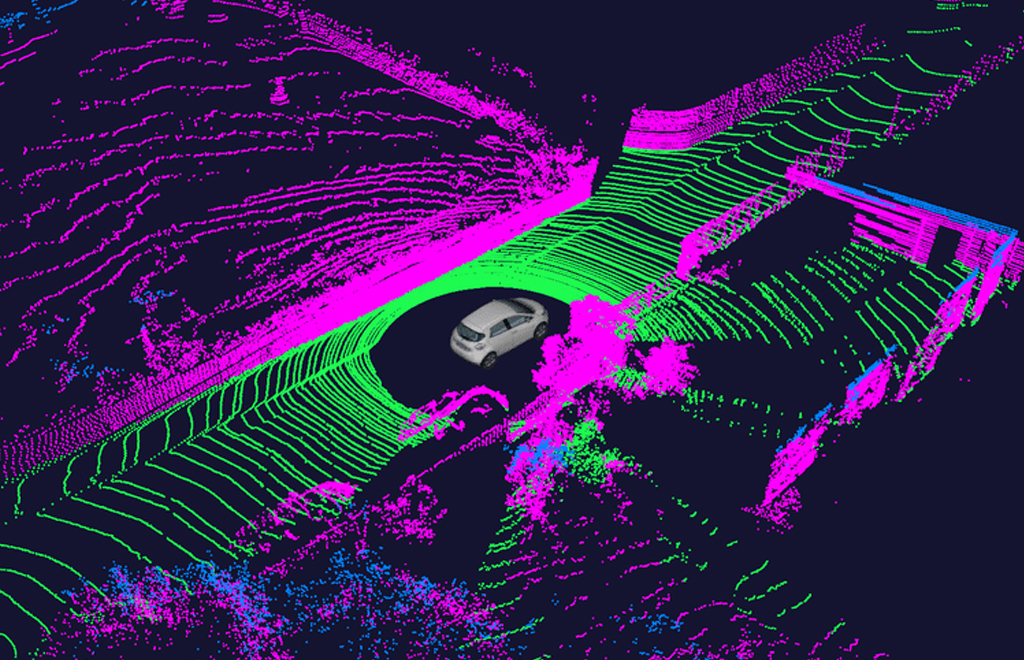
LIDAR 3D Point Cloud Labeling
Playment transforms your raw dataset into annotated images with bounding boxes around objects of interest.
Quality Assurance
Polygons
Annotate object instances with polygons instead of pixel segmentation

A Layered Map

Geometric map layer

The geometric map layer contains 3D information of the world. This information is organized in very high detail to support precise calculations. Raw sensor data from lidar, various cameras, GPS, and IMUs is processed using simultaneous localization and mapping (SLAM) algorithms to first build a 3D view of the region explored by the mapping data collect run.

Semantic Map Layer

The semantic map layer builds on the geometric map layer by adding semantic objects. Semantic objects include various traffic 2D and 3D objects such as lane boundaries, intersections, crosswalks, parking spots, stop signs, traffic lights, etc. that are used for driving safely. These objects contain rich metadata associated with them such as speed limits and turn restrictions for lanes.

Real-time knowledge layer

The real-time layer is the top most layer in the map and is designed to be read/write capable. This is the only layer in the map designed to be updated while the map is in use by the AV serving a ride. It contains real-time traffic information such as observed speeds, congestion, newly discovered construction zones, etc. The real-time layer is designed to support gathering and sharing of real-time global information between a whole fleet of AVs.

  • Logo

    A Platform Agnostic, Scalable Workforce Partner For Some Of The Largest Names In AI. We Quietly Power Your ML Life Cycle With A Highly Skilled, Trained Workforce.

  • More

    • Home
    • Contact us
    • About us
  • Contact us


    +91 80955 51100
    +91 98457 11888

    corporate@anmerkung.solutions
    For BGV : hr@aspl.ai
    For Jobs : jobs@aspl.ai

All rights reserved. © 2020
ANMERKUNG
  • Designed by:
    PROMENA